
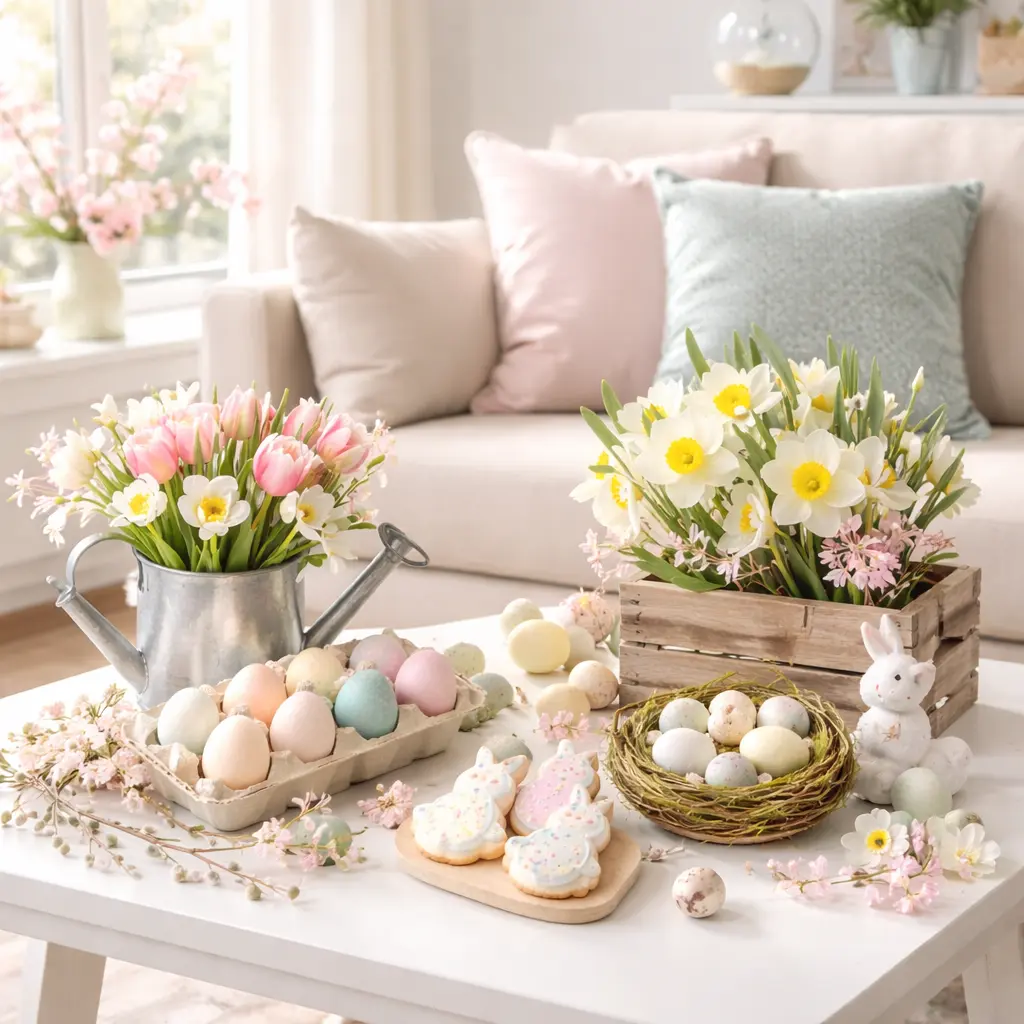
Simple Spring Decorating Ideas for a Fresh Seasonal Look
By Emily | February 2, 2026
Spring decorating isn’t about replacing everything in your home. It’s about small changes that make the space feel lighter, fresher, and more open. Subtle shifts can have an outsized impact. After months of heavy textures and muted tones, even minor updates — light textiles, fresh accent colors, or natural elements — can transform a room. The goal isn’t to overwhelm but to refresh strategically. Too many changes at once create clutter instead of clarity.
I learned this when updating my own home for spring. A few carefully chosen throw pillows, a small arrangement of greenery, and lighter curtains immediately lifted the mood without disrupting existing style. The space felt renewed, inviting, and effortless. Seasonal decorating works best when guided by intention rather than trends. By editing, layering, and emphasizing the right elements, you can create a home that reflects the season while remaining cohesive year-round.
The transformation is psychological as much as visual. When you enter a properly refreshed spring space, you feel the change in your nervous system. Your shoulders relax. Your mood lifts. You feel a sense of possibility and renewal. This emotional shift comes not from a collection of spring-themed items, but from understanding how color, light, composition, and atmosphere work together to create a complete sensory experience.
You’ll discover how to refresh your home for spring in ways that feel natural and elegant rather than forced or trendy. You’ll learn which elements create the biggest visual impact, how to layer subtle details for sophisticated effect, and how to build a cohesive spring aesthetic that feels uniquely yours. By the end, your home will feel transformed – not through radical changes, but through understanding the principles of seasonal refresh and applying them with intentionality.
Creating Space Before Adding Spring Elements
 Save it
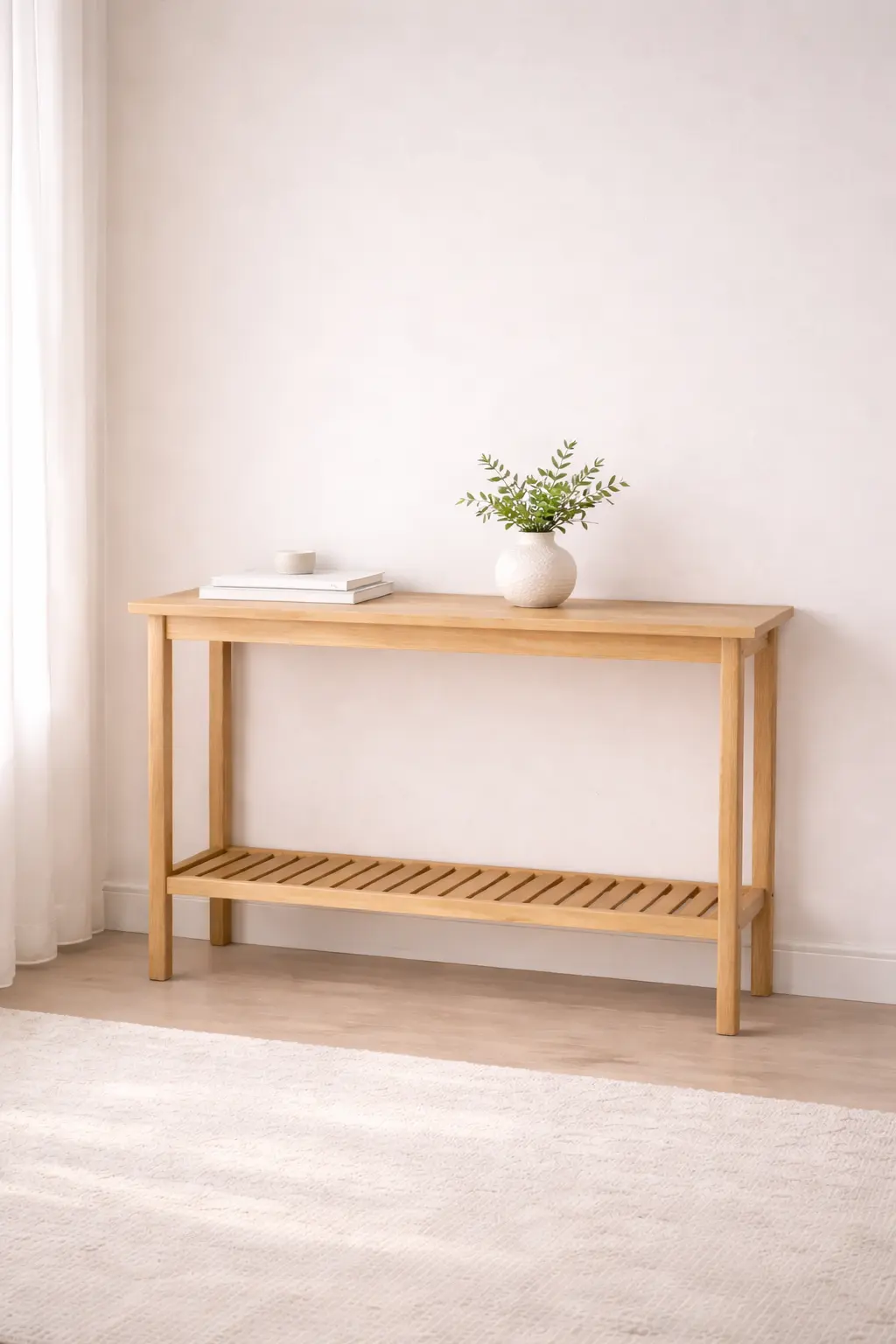
Before you add anything new to your space, the first essential step is to take things away. One of the most important secrets to achieving a premium, polished look is conscious minimalism – understanding that less, strategically chosen, creates far more impact than abundance. Many people rush to add spring elements without first clearing winter’s accumulated layers, and this mistake undermines everything that follows.
During winter months, we instinctively surround ourselves with heavy textiles, darker tones, and layered textures. Thick throws draped on sofas. Dark pillows providing warmth. Multiple layers of rugs. Surfaces crowded with decorative items providing visual comfort during darker months. This layering serves a purpose during winter – it creates coziness and psychological warmth. But in spring, the space desperately needs air. It needs breathing room. It needs lightness.
Start your spring refresh by removing heavy throws, swapping out dark pillows for lighter versions, and clearing overcrowded surfaces. This isn’t about creating stark minimalism – it’s about creating visual rest. Visual rest creates the foundation upon which seasonal décor can build elegantly. If you skip this crucial editing step, even the most beautiful floral arrangement will simply become visual noise competing with existing clutter. You’ll have added spring décor to a still-heavy space, resulting in visual chaos rather than refreshment. The removal step takes more courage and intention than adding, but it’s absolutely foundational to the transformation.
Introduce Light Colors
 Save it
One of the most subtle yet surprisingly powerful tools for spring refresh is thoughtful color transition. I’m not advocating for bright, loud, obvious spring tones – those often feel forced and trendy. Instead, I’m suggesting gentle shifts toward soft shades that almost invisibly lighten the entire space, changing how it feels without announcing the change.
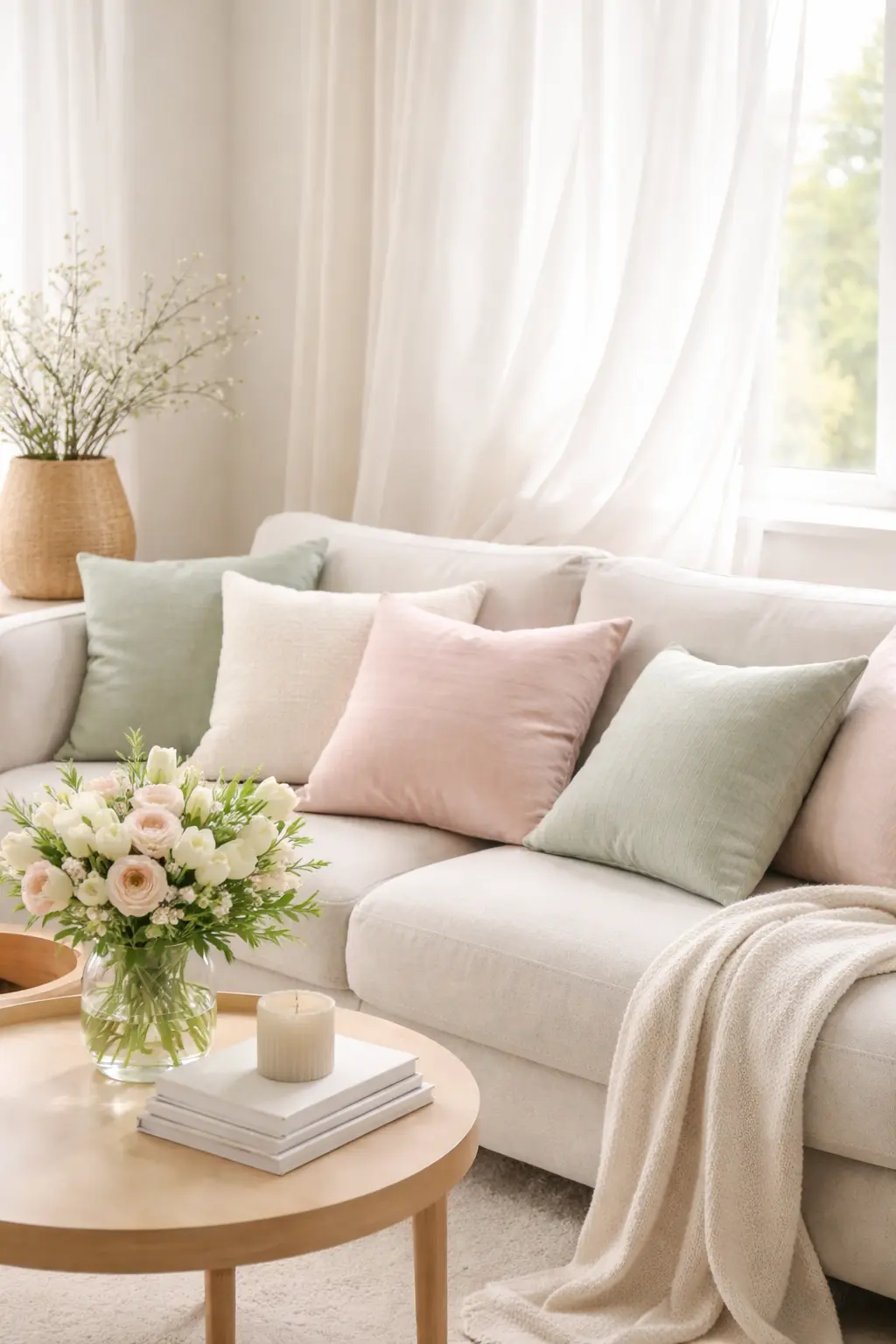
Winter palettes naturally trend darker: deep brown, burgundy, charcoal gray, heavy forest tones. These colors serve a purpose – they create coziness and visual grounding during dark months. But in spring, our eyes and nervous systems instinctively turn toward light. Your body craves it. This is why transitioning to off-white, cream, soft sage green, muted peach, or powder pink tones feels so restorative. These shades don’t dominate the space or create visual chaos – they gently support it, almost invisibly shifting the room’s entire feeling from heavy to light.
The simplest yet most impactful color change is switching your textiles. Spring pillow covers work beautifully not when they feature bold, obvious spring patterns, but when they act as atmospheric accents with subtle graphics and natural tones. You don’t need bunny motifs everywhere or obvious floral statements. A refined seasonal hint communicates spring elegantly without shouting about it. When it comes to color choices, intentionality matters tremendously.
Ask yourself before selecting: Does this shade calm or stimulate? Is it in harmony with existing wall color? Does it connect to natural materials and the feeling of spring? A premium look is always coherent – colors working together rather than competing. The goal isn’t to make the room obviously “spring themed.” The goal is to make it feel lighter, brighter, more open, and somehow more refreshed than it felt during winter.
Use Arrangements as Spatial Anchors
 Save it
Flowers are universally recognized as spring’s symbol. But it’s essential to step back and view them not merely as decoration, but as structural design elements. A well-placed floral arrangement isn’t just an aesthetic accessory – it structures the space architecturally. It defines a focal point that organizes the viewer’s eye. It creates rhythm and visual movement. Modern artificial flower arrangements represent an entirely different quality level than previous generations – the texture of petals, subtle color gradients, detailed leaf work all contribute to remarkably natural appearance.
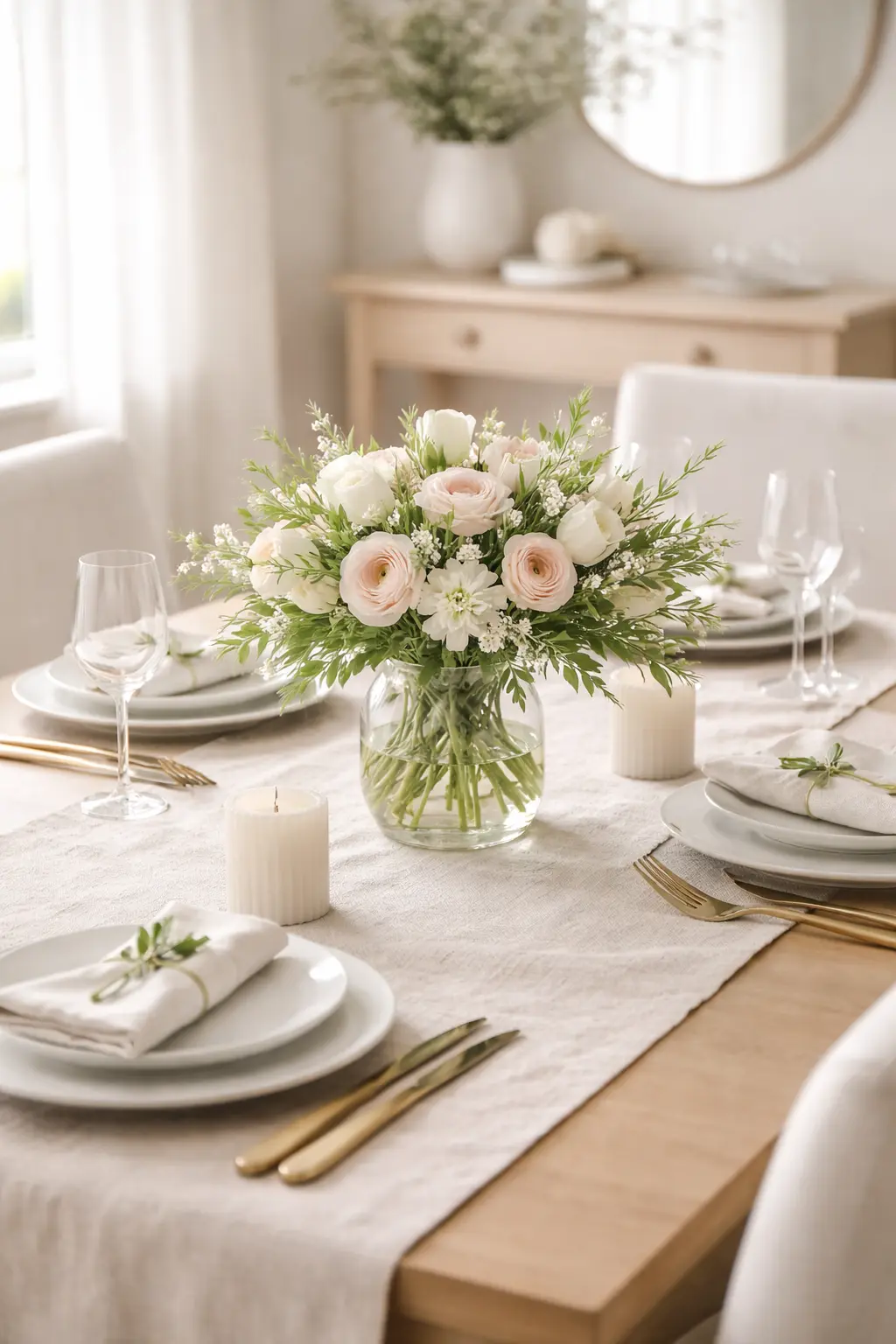
But the real key isn’t the quality of the arrangement itself – it’s the placement and proportionality. Try this intentional approach: position one proportional arrangement centered on your dining table as the primary focal point of that zone. In the living room, place an arrangement on the coffee table beside a stack of books, creating a composed vignette. In your entryway, position an arrangement on a narrow console where it sets the tone as guests arrive. Don’t over-layer with multiple large arrangements throughout your space. One substantial, well-placed arrangement can be entirely sufficient for an entire room.
A premium interior isn’t built on quantity but on balance and intentional placement. Each element should serve a purpose – either as a primary focal point or as a supporting note. This restraint is what distinguishes sophisticated design from cluttered accumulation.
Create Refinement Through Small-Scale Elements
 Save it
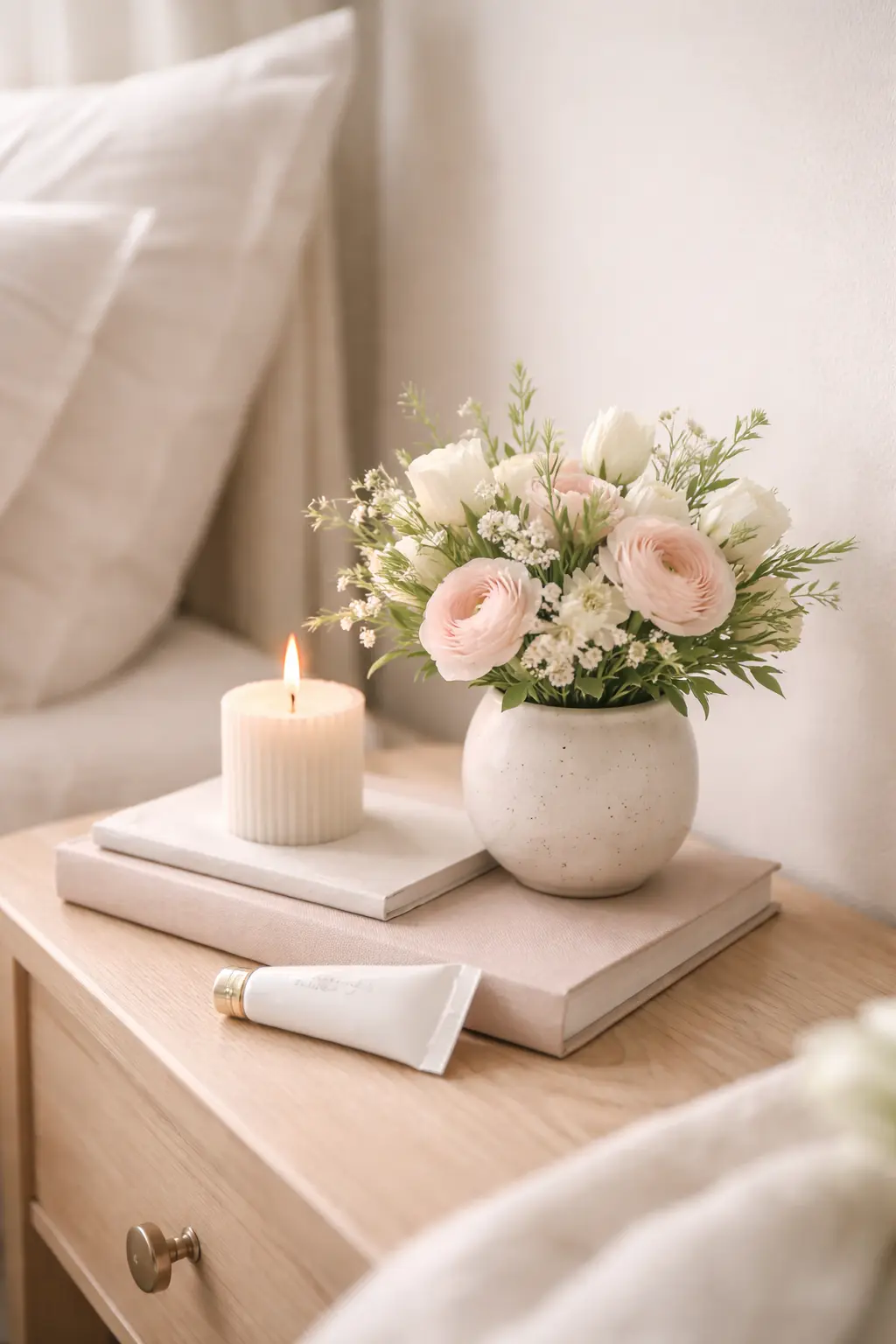
Not every decorative element needs to dominate your space or demand attention. In fact, some of the most refined, sophisticated effects come from smallest details – the small moments that speak to thoughtfulness without announcing themselves. Small artificial flowers in ceramic pots are perfect examples of this principle. These small-scale pieces aren’t main characters in your space’s design story – they’re supporting notes, quiet accents that bring life and freshness into specific areas.
Position these small arrangements on a bathroom shelf, beside your bed on a nightstand, or on a kitchen windowsill where they quietly bring spring into functional areas. The ceramic base is particularly important – it evokes the feeling of natural material and craftsmanship, even when the flower itself is artificial. This small detail elevates the overall effect and prevents the arrangement from feeling obviously fake. If you use multiple small pieces throughout your space, avoid lining them up in obvious, symmetrical rows. Instead, play with height variation, irregular spacing, and asymmetry. Irregularity feels more organic and intentional than perfect alignment.
This approach to spring decoration is exciting precisely because it’s not a radical transformation requiring major purchases or installations. It’s more subtle – like the room quietly beginning to breathe and refresh itself through small, considered additions.
Create Atmosphere for Evening Spring Enjoyment
 Save it
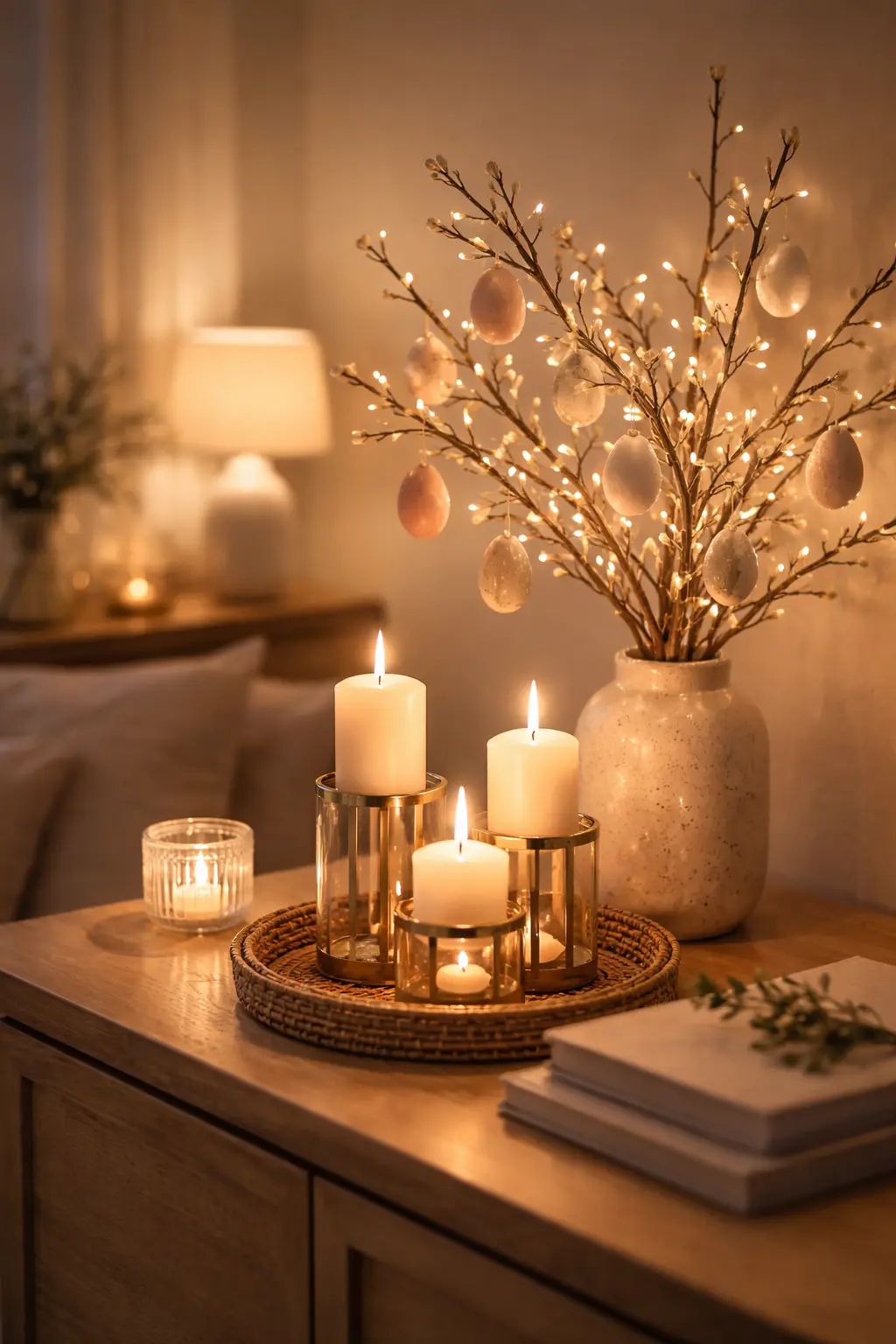
Most people approach seasonal decorating purely as a visual, daytime exercise. They arrange items, step back, assess, adjust. But the real magic of spring décor happens in the evening when light transforms everything. Warm light sources soften hard edges, create intimacy, add depth and layering to compositions. Spring floral candle holders aren’t simply functional accessories for holding candles – they’re textural design elements that introduce shadow and subtle layering into your tablescape. When combined with a neutral linen table runner and soft lighting, the entire composition feels coherent, sophisticated, and beautifully refined.
Pre-lit decorative elements work best when positioned asymmetrically rather than centered. In a corner, on a console table, or atop a cabinet, these pieces act as subtle atmospheric light sources rather than focal points demanding attention. They don’t need to become the festive focal point of your space – they can simply serve as gentle background lighting that transforms the entire room’s feeling. Here’s the critical insight: don’t evaluate spring décor by looking only at the objects themselves in bright daylight. Instead, observe how each element transforms the entire room when light dims. Turn off your ceiling light, light a few candles, and observe how atmosphere shifts.
Spring decor isn’t purely visual – it’s mood, it’s intimacy, it’s a gentle transition from winter’s heaviness into spring’s lightness. When you design with this understanding, your spring refresh becomes an experience rather than just a look.
How to Combine These Intentionally?
The biggest mistake people make is purchasing every listed item, treating a spring refresh like a shopping checklist. The key isn’t comprehensive acquisition – the key is building a coherent story where each element serves a purpose. Think of your entire space like a carefully composed magazine photograph: every element either serves as a main character, supports the main character, or provides visual pause and breathing room.
In a living room, for example, your main character might be an elegant floral arrangement on your coffee table. This focal point could be complemented by two subtle pillow covers in soft spring tones and a candle holder adding atmospheric light. In your entryway, perhaps a spring wreath and a single small ceramic potted flower provide enough refreshment. In your bedroom, new light-colored sheets and one small floral accent might be sufficient. Less truly is more with spring decoration. Spring décor works best when it doesn’t dominate your space or demand constant attention – when it blends seamlessly into your home, making it feel lighter and fresher without obvious seasonal theming.
This narrative approach prevents spring refresh from feeling like decoration and instead makes it feel like natural evolution. You’re not adding a collection of spring items – you’re subtly shifting your home’s entire aesthetic toward lightness and renewal.
As you implement these principles and build your spring narrative, understanding common mistakes helps ensure your refresh achieves the effortless elegance you’re after.
Common Mistakes – What to Avoid in Spring Decorating
1. Adding Spring Décor Without First Removing Winter Elements
The biggest mistake is layering spring on top of winter without clearing winter first. Remove heavy throws, dark textiles, and overcrowded surfaces before adding anything new. Removal creates the foundation.
2. Choosing Obvious Spring Colors and Patterns
Bright, obvious spring colors feel trendy and quickly dated. Soft, subtle tones – pale sage, cream, muted peach – create timeless, refreshing effects that feel sophisticated rather than themed.
3. Over-Decorating With Multiple Large Arrangements
One well-placed, proportional floral arrangement is far more effective than multiple pieces competing for attention. Quantity undermines the premium feel you’re creating.
4. Ignoring Lighting and Daytime Visual
Spring décor must work in both daylight and evening light. Evaluate pieces at different times and lighting conditions. Test candle holders and arrangements in warm evening light to ensure they create the mood you intend.
5. Treating Spring Décor as Permanent
Remember that spring décor is temporary – it should evolve as seasons change. Choose pieces that can transition to summer or be easily stored. Avoid anything too obviously seasonal that won’t work year-round.
Frequently Asked Questions
What if my home doesn’t have obvious places for focal arrangements?
Create a focal point intentionally. A console table in an entryway, a corner shelf, even a small table by a window – any space can become a focal point for a seasonal arrangement. Sometimes creating the focal point with the arrangement itself is the solution.
Can I use real flowers instead of artificial arrangements?
Yes, but understand the maintenance requirements. Real flowers require water changes, wilting management, and more frequent replacement. Artificial arrangements provide consistent beauty with minimal effort – particularly valuable for less-than-ideal light or temperature conditions.
How much should I spend on spring decorating?
Significant transformation is possible with minimal investment. Focus on quality over quantity – one excellent arrangement and a few subtle pillow covers often create more impact than numerous inexpensive items. Budget $50-150 for meaningful refresh depending on room size.
Closing Thoughts
A spring home refresh isn’t about following trends or checking off a seasonal decorating list. It’s about recognizing that your environment directly affects your psychological state, your energy, and your sense of possibility. When you remove winter’s heaviness and introduce spring’s lightness, you’re creating conditions where renewal happens naturally. You’re signaling to your nervous system that darkness is behind you, that light is returning, that fresh beginnings are possible.
Spring refresh is also profoundly personal. What creates renewal for you might differ from someone else’s needs. Perhaps you crave more greenery. Perhaps soft color is your primary need. Perhaps better lighting transforms everything for you. Start with the principles, then customize based on what actually creates that refreshed feeling in your specific space. Your spring refresh is complete not when you’ve followed a checklist, but when you open your door and feel lighter. That feeling is what matters.
If you’re looking for more seasonal interior inspiration, explore How to Create a Cozy Living Room with Simple Design Tricks, where we dive even deeper into the interplay of textures and light. Spring is already here. Let your home breathe with it.
This post contains affiliate links. I may earn a small commission at no extra cost to you.
Get cozy inspiration delivered to your inbox.
✓ 14-page beautifully designed ebook
✓ Cozy decorating ideas
✓ Practical room-by-room inspiration
You’re in! 🎉
Thanks for joining the NestFlowHome community!
Your free ebook is already on its way to your inbox. If you don’t see it within a few minutes, please check your Promotions or Spam folder.
Join the NestFlowHome community for weekly decorating inspiration.

Timeless home decor ideas and slow living inspiration for a calm, beautiful life.