
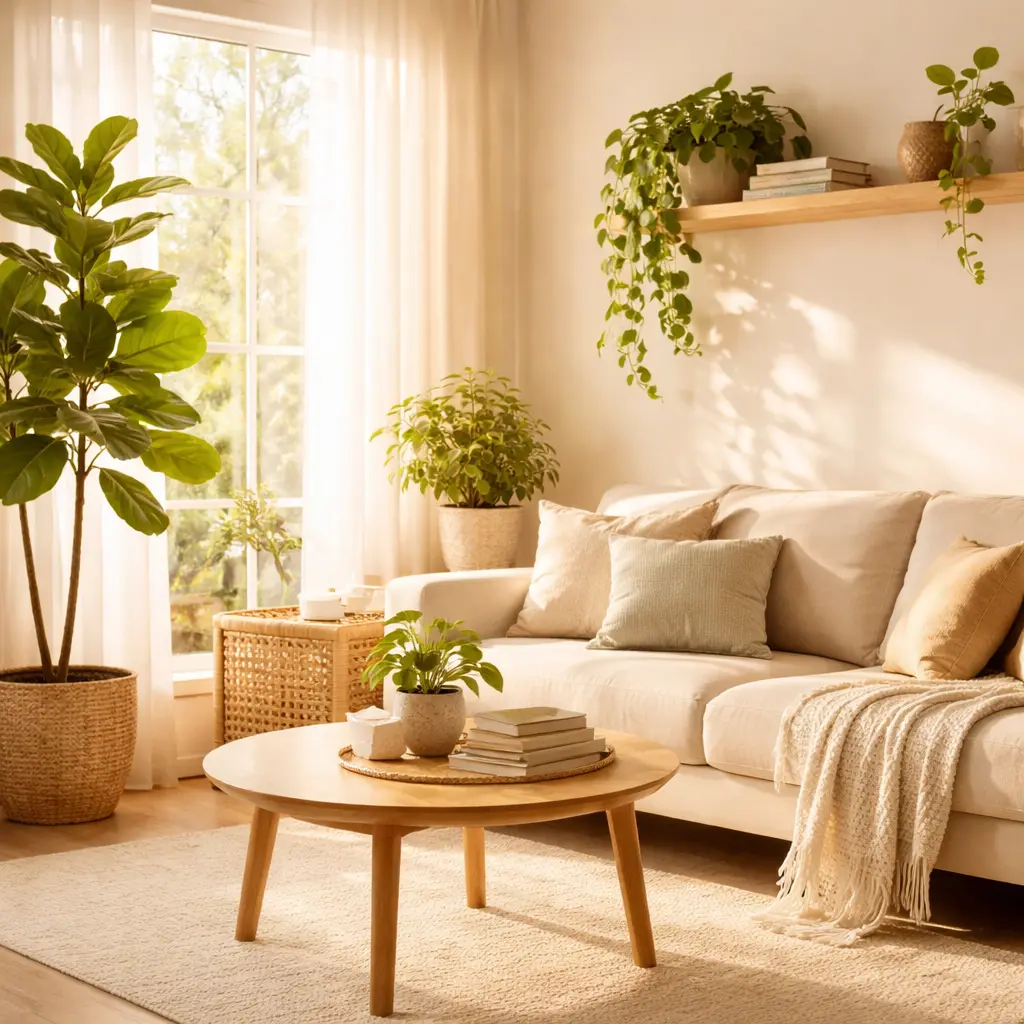
How to Make Any Room Feel Alive with Plants
By Emily | December 29, 2025
I remember exactly the afternoon when I realized that my living room was tired. The walls were painted a thoughtful color. The sofa was neatly arranged with intention. The shelves were carefully decorated down to the last handpicked ceramic piece. And yet, something crucial was missing. The space looked finished on paper, but it didn’t feel alive. It was like a magazine photograph of a room – technically correct, styled perfectly – but not a place where it truly felt good to exist. The energy was flat. The air felt stagnant. Then I bought a plant. Just one.
A tall, characterful green presence with dramatic leaves that reached ambitiously toward the ceiling. Within a few days, the entire energy of the space transformed. The air felt softer somehow, as if the plant was literally freshening it. The light seemed warmer when it filtered through the leaves. And I felt measurably calmer every time I walked through that door. This wasn’t placebo – plants genuinely change rooms because they introduce life, movement, and a subtle kind of magic that no furniture or décor can replicate.
Over the years, I discovered seven brilliant ways to bring any room to life with plants – whether it’s a tiny bathroom with limited light, a cozy bedroom you want to feel like a sanctuary, or a minimalist workspace that needs breathing room. And believe me, this isn’t about turning your home into a jungle or obsessing over plant care. It’s about understanding how plants function as design elements, how they interact with light and space, and how they introduce movement, warmth, and genuine vitality into your environment. It’s about using plants strategically to shift how a room feels and functions. Plants aren’t accessories. They’re architects of atmosphere.
Let me show you how to use them.
1. Plants as Lighting and Movement
 Save it
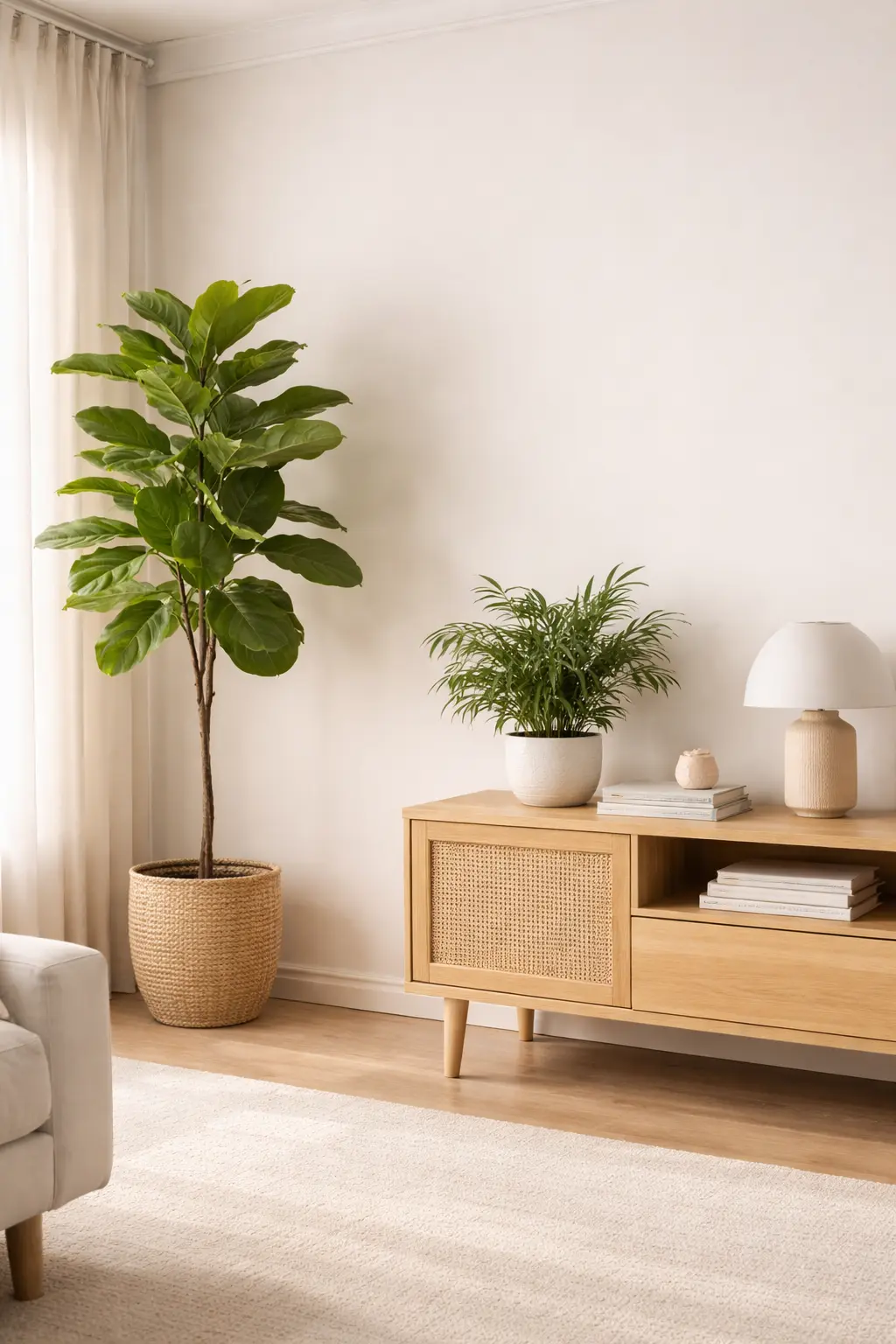
One of the most important lessons I learned was this: plants don’t belong just anywhere – they belong somewhere specific, with purpose. When I first started decorating with plants, I treated them like furniture accessories. I’d place one on an empty table, admire it, and wait for the magic to happen. This approach rarely worked. But when I started thinking of plants like lighting fixtures – tools for transforming how light moves through a space and how the eye travels – everything changed.
Now I look for what I call “dead zones.” Empty corners that feel forgotten. Awkward gaps beside the sofa that create visual imbalance. A lonely wall that feels flat and uninviting. A tall plant like a Ficus lyrata or a Kentia palm instantly adds vertical movement, breaks rigid architectural lines, and softens the entire layout. These plants draw the eye upward, making ceilings feel higher and spaces feel more dynamic.
I think in layers when placing plants. A tall plant by the window to interact with natural light. A medium-sized option on the console table for middle-layer visual interest. A trailing variety like a Pothos or String of Pearls cascading from a shelf to add movement and soften edges. This creates a visual rhythm that the eye follows almost like a melody – not jarring or chaotic, but flowing and intentional. I’ve learned that when I place a plant where the gaze naturally rests – where it draws attention without demanding it – the space feels composed and balanced rather than cluttered.
Start with one corner. Let that be your focal point. Add height. Let the rest follow naturally. The space will tell you what it needs.
2. Rescue Forgotten Corners
 Save it
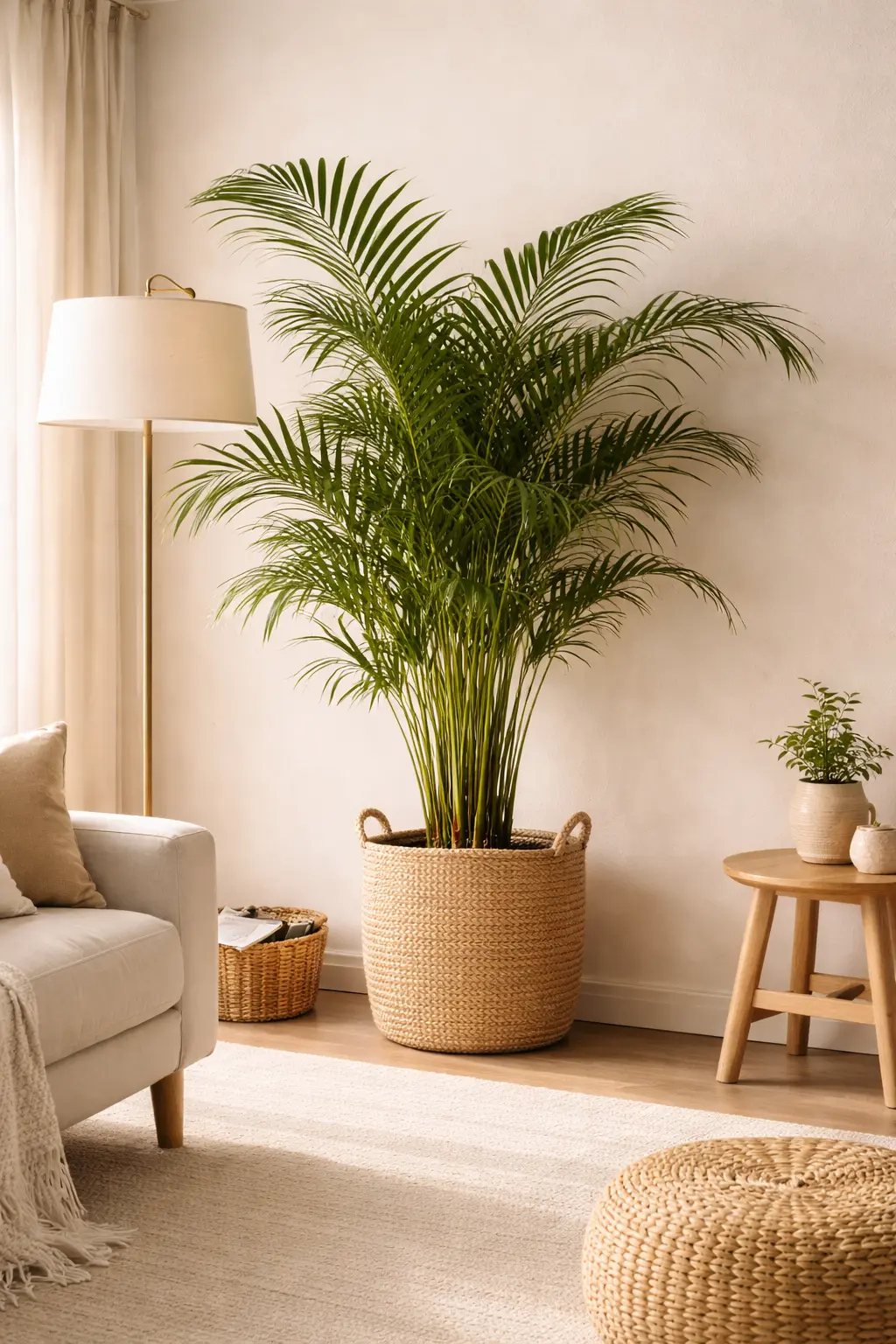
I used to genuinely hate corners. They either collected dust and became catch-alls for things I didn’t know where else to put, or ended up with furniture I didn’t really love but felt obligated to fill the space with. Now I see corners as tremendous opportunities – blank canvases waiting for intentional design. A single tall plant can turn a forgotten corner into a striking focal point that anchors an entire room.
The key is understanding scale and proportion. A small plant like a Sansevieria or a young Monstera in a large corner simply disappears – it gets swallowed by the emptiness. You need height and presence. Consider a mature Ficus, a Dracaena, or a Parlor Palm for taller corners – plants that command attention through their size and structure. Sometimes I elevate these plants on a plant stand to add even more visual impact and make the plant feel more intentional. Other times I choose a textured, natural-material basket or pot to add warmth and tactile interest that softens the visual weight of the plant.
The practical consideration matters too: low light? I don’t fight the natural conditions of my space. I choose plants that thrive there. A Calathea, Pothos, or Philodendron will transform a dim corner beautifully. Every time I “rescue” a corner with the right plant, the room feels more balanced, as if it can finally breathe.
The eye has somewhere to rest. The space feels intentional rather than incomplete. Corners are no longer afterthoughts – they’re assets.
3. Create Depth with Layered Plant Compositions
 Save it
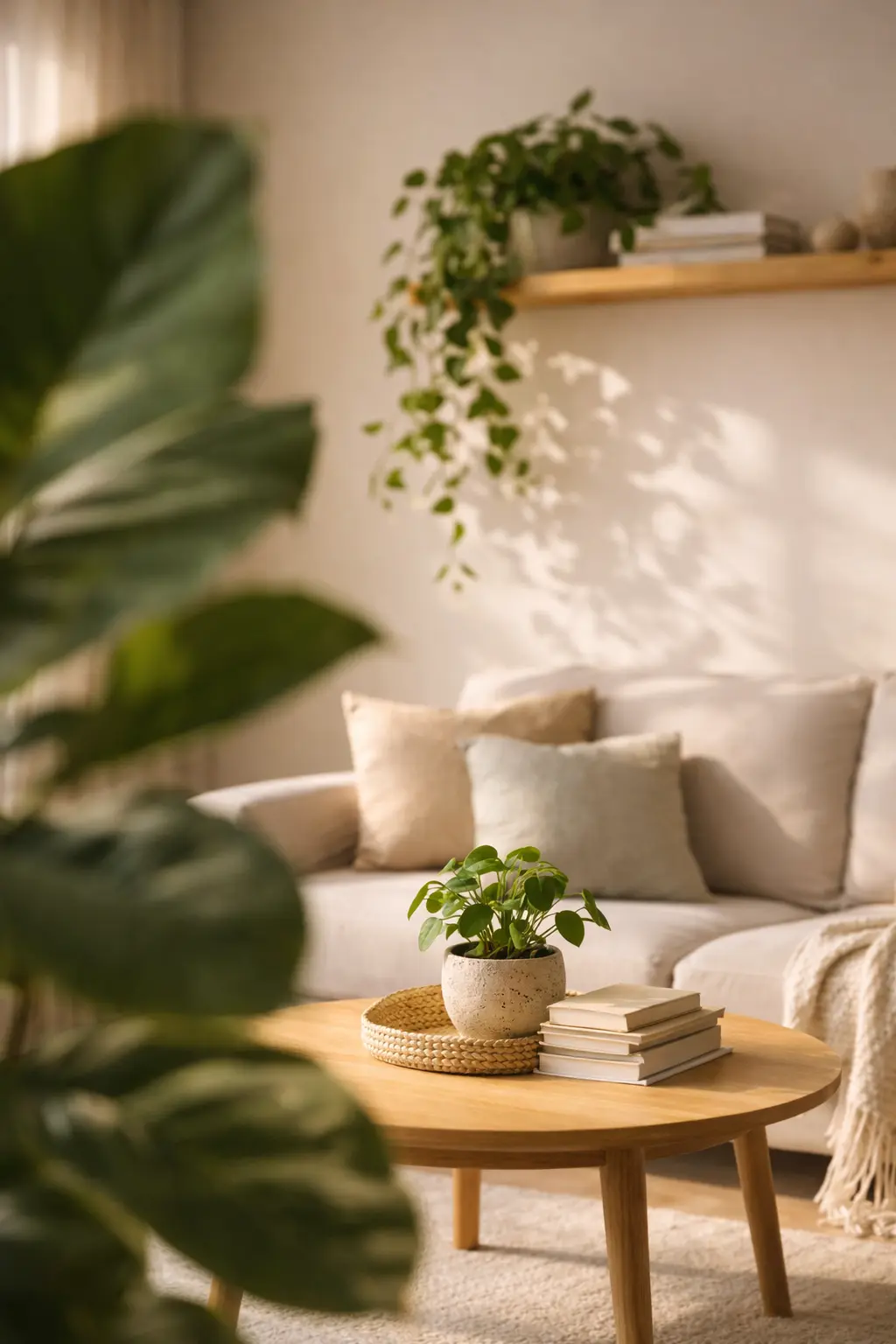
One of my absolute favorite design tricks is combining plants of different heights, leaf shapes, and textures. It’s exactly like putting together a well-considered outfit – not everything can be the same length, weight, or texture. The composition only works because of contrast and variety. A tall floor plant like a Rubber Tree provides structure. A tabletop plant like a Pothos or Calathea adds middle interest. A trailing variety cascading from a shelf like String of Pearls or Hoya introduces movement and breaks horizontal lines.
I also intentionally play with leaf shapes and textures. Next to bold, oversized leaves – like those of a Monstera or Alocasia – I place airy, delicate foliage like a Fern or Asparagus Fern. The contrast creates visual dynamism. A glossy-leaved plant beside a matte-textured one. A fine, feathery plant beside a structural, architectural one. These combinations prevent the space from feeling one-dimensional or boring.
When I step back and observe how these green layers interact with light and shadow throughout the day, the space becomes genuinely three-dimensional. It’s not about quantity – having thirty plants doesn’t create a better effect than seven thoughtfully placed ones. It’s about composition. It’s about understanding how different plant forms work together, how they catch and diffuse light, how they guide the eye.
This layered approach transforms a room from “decorated with plants” to “alive with plants.” The difference is profound and immediately noticeable.
4. Use Natural Light Intentionally for a Radiant, Lively Effect
 Save it
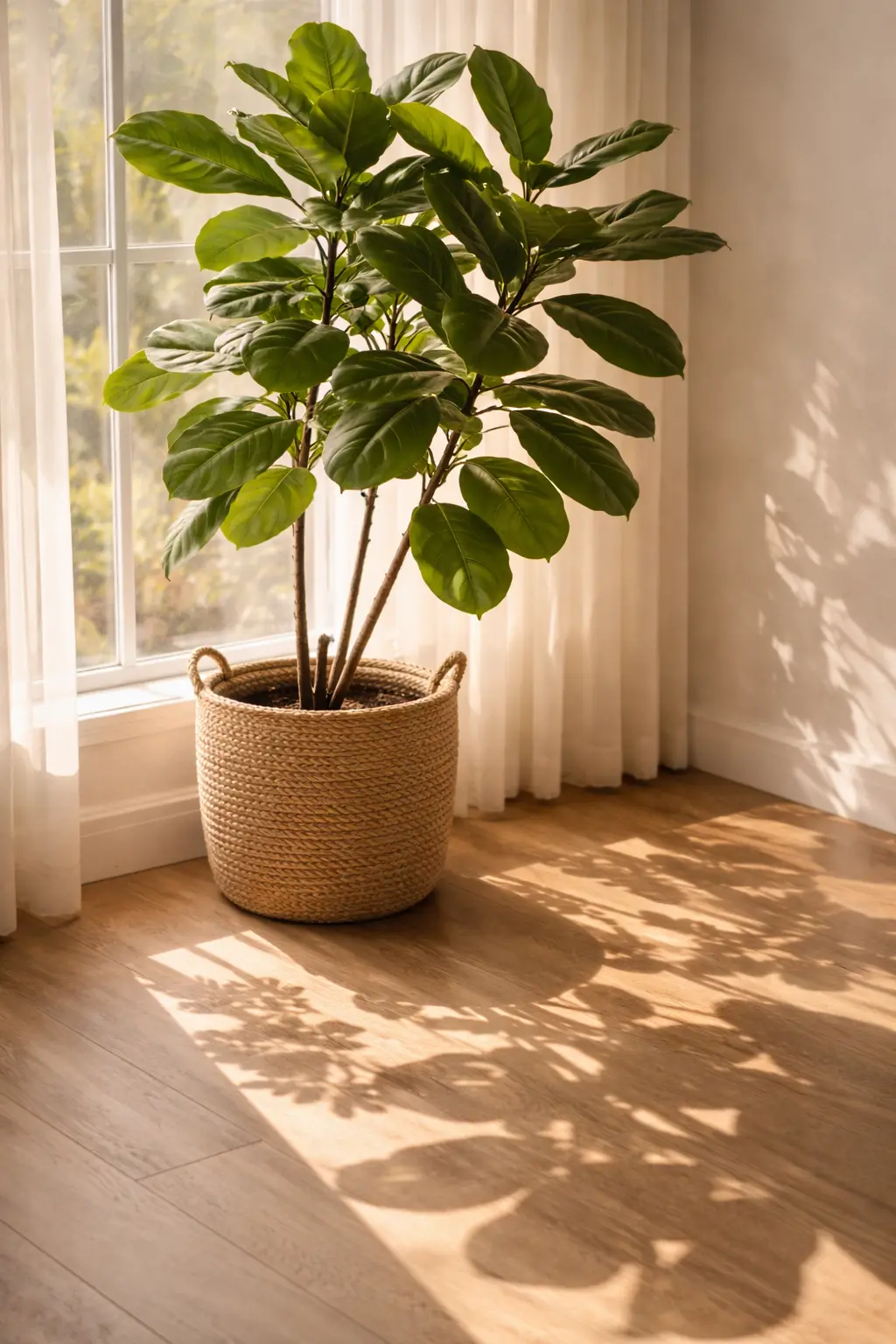
The relationship between plants and light is one of the most exciting and transformative aspects of shaping a space intentionally. When I first began paying genuinely close attention to how natural light moves and changes throughout the day in my home, I realized how much precise plant placement matters – not just for the plant’s survival, but for the room’s atmosphere.
Morning sunlight arrives from a completely different angle than afternoon light. Soft, diffused north light is entirely different from intense southern exposure. I started mapping where soft, diffused light touches my space and where stronger, more dramatic shadows appear. I adjusted my plant placements accordingly – not just considering what would help the plant thrive, but how the plant would interact with light to affect mood. A Boston Fern in a bright corner creates soft, dappled shadows. A Monstera by a window casts geometric shadows that change throughout the day. When sunlight filters through leaves, it casts subtle, moving shadows on the walls. This visual dynamism gives a room completely different energy than a blank wall ever could.
In darker rooms where natural light is limited, I enhance the effect of whatever light exists with mirrors and light-colored textiles so the green foliage can stand out more vividly. I’ve learned that a plant is not just decoration – it’s a light-shaping tool, a sun-filter, an atmosphere-creator. When light and foliage are in harmony, when you consider both together as a system, the room truly comes alive.
This is plant styling at its most sophisticated: understanding how plants function within the light ecosystem of your space.
5. Elevate the Space with the Right Planters and Textures
 Save it
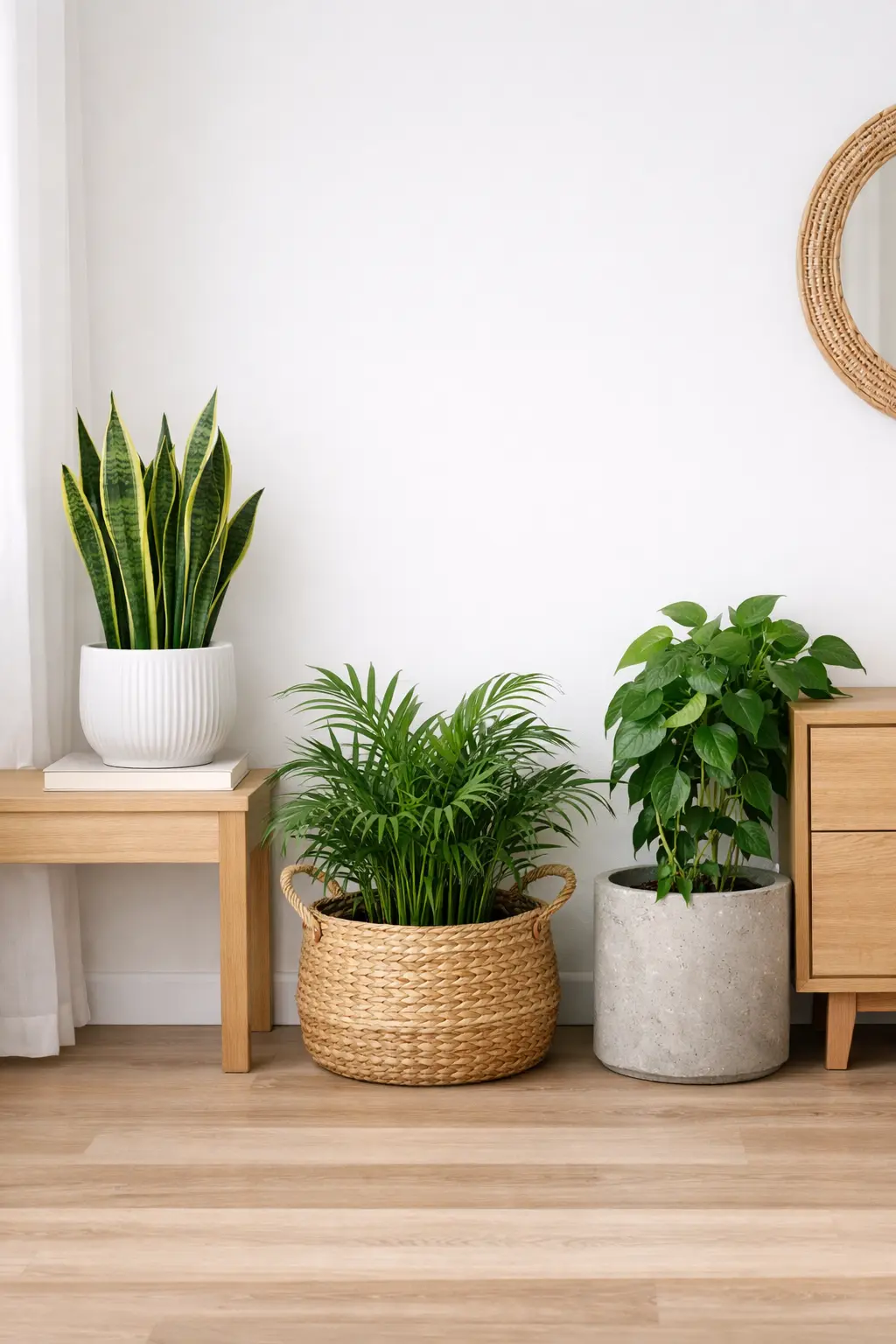
For a long time, I thought the plant was what mattered and the pot was just a practical necessity – a container to hold soil and roots. But when I started choosing planters more consciously and thoughtfully, the entire character of my interior shifted. A planter essentially frames the plant, and framing matters enormously. A clean, matte ceramic creates an elegant, modern feel that grounds botanical elements. A woven basket adds warmth and a natural, earthy atmosphere. A dark, textured pot creates dramatic contrast in a light space and adds visual weight.
Now I think of the plant and its planter as a unified visual unit – a complete composition that should work together harmoniously. I pay attention to materials, colors, textures, and proportions. Not everything needs to match perfectly, but there should be visual harmony. Similar earth tones work together beautifully. Repeating textures create cohesion. A matte ceramic pot harmonizes with natural wood furniture. A woven basket echoes the texture of a throw blanket. These relationships matter.
When I replaced temporary plastic nursery pots with thoughtful, intentional container choices, my entire home immediately felt more cohesive and refined. That’s the power of details – they shape the overall impression in subtle but genuinely powerful ways.
The container choice elevates the plant from “something alive” to “something curated.” It signals intention. It makes the space feel more considered and complete.
6. Use Plants as Subtle, Natural Room Dividers
 Save it
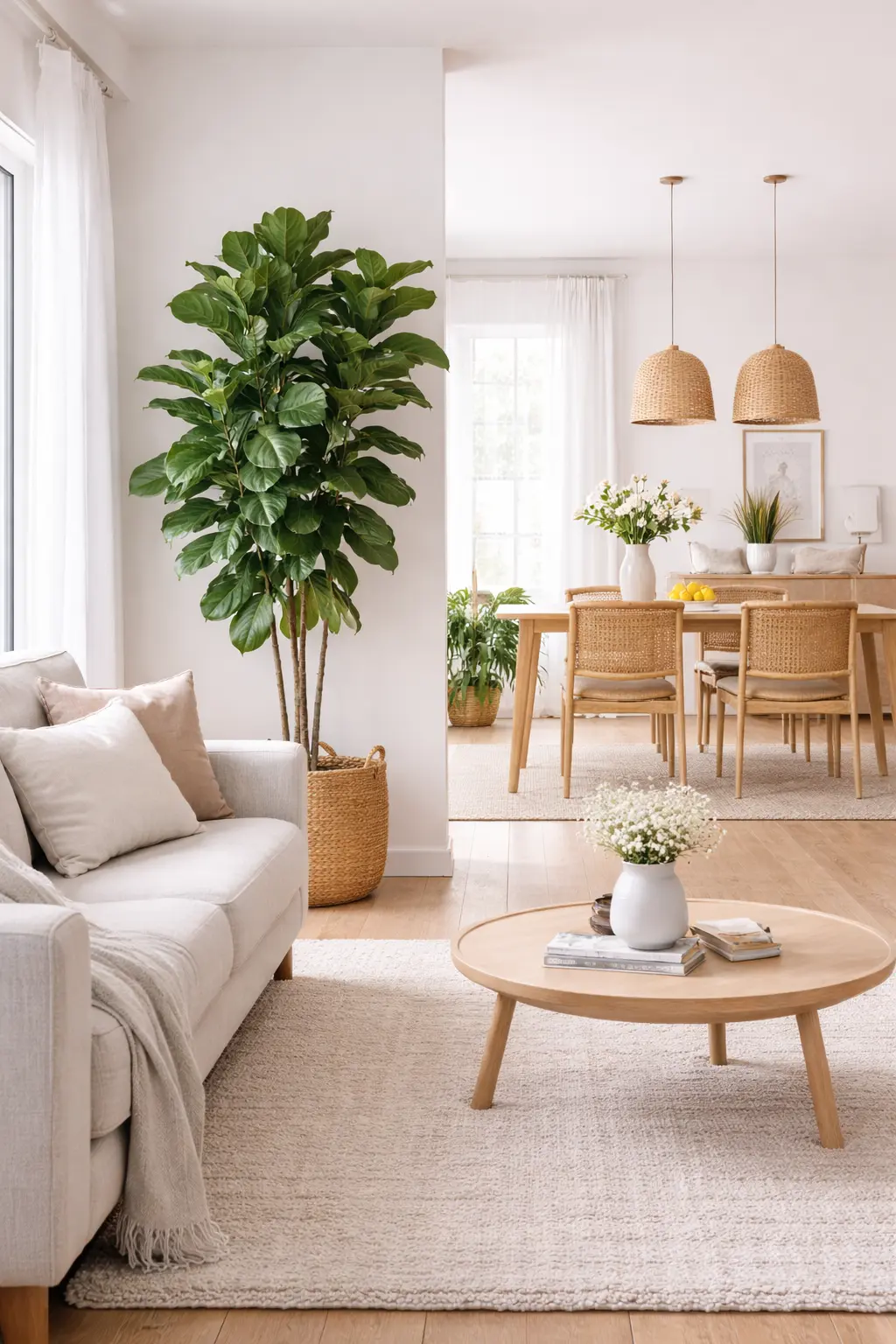
In open, flowing spaces – where the living room blends directly into the dining area which connects to a workspace – I often felt that everything blended together without distinction. The functions weren’t visually separated, which eventually made the overall impression feel slightly chaotic and unfocused. That’s when I discovered the brilliant approach of creating subtle “zones” using plants strategically.
A tall plant like a Fiddle Leaf Fig at the end of the sofa can subtly signal where one function ends and another begins – without creating a harsh, physical barrier. A small, intentional grouping of plants behind an armchair creates an intimate, cozy nook that feels separate without physically closing off the space. Plants make especially good dividers because they don’t draw harsh boundaries – they guide the eye organically and feel natural. They maintain openness and flow while still adding spatial structure and definition.
I’ve also discovered that combining this approach with the layering principle from earlier creates even more sophisticated spatial division. Different heights of plants create visual layers that define zones naturally. Since thinking about plants this way – as spatial designers rather than just decorative elements – my home has become not only more beautiful but also more functionally considered.
Open spaces feel organized. Transitions feel intentional. The space works better because plants are working as subtle architects, guiding how people move through and understand the space.
7. Start Small and Let Your Confidence Grow Alongside Your Plants
 Save it
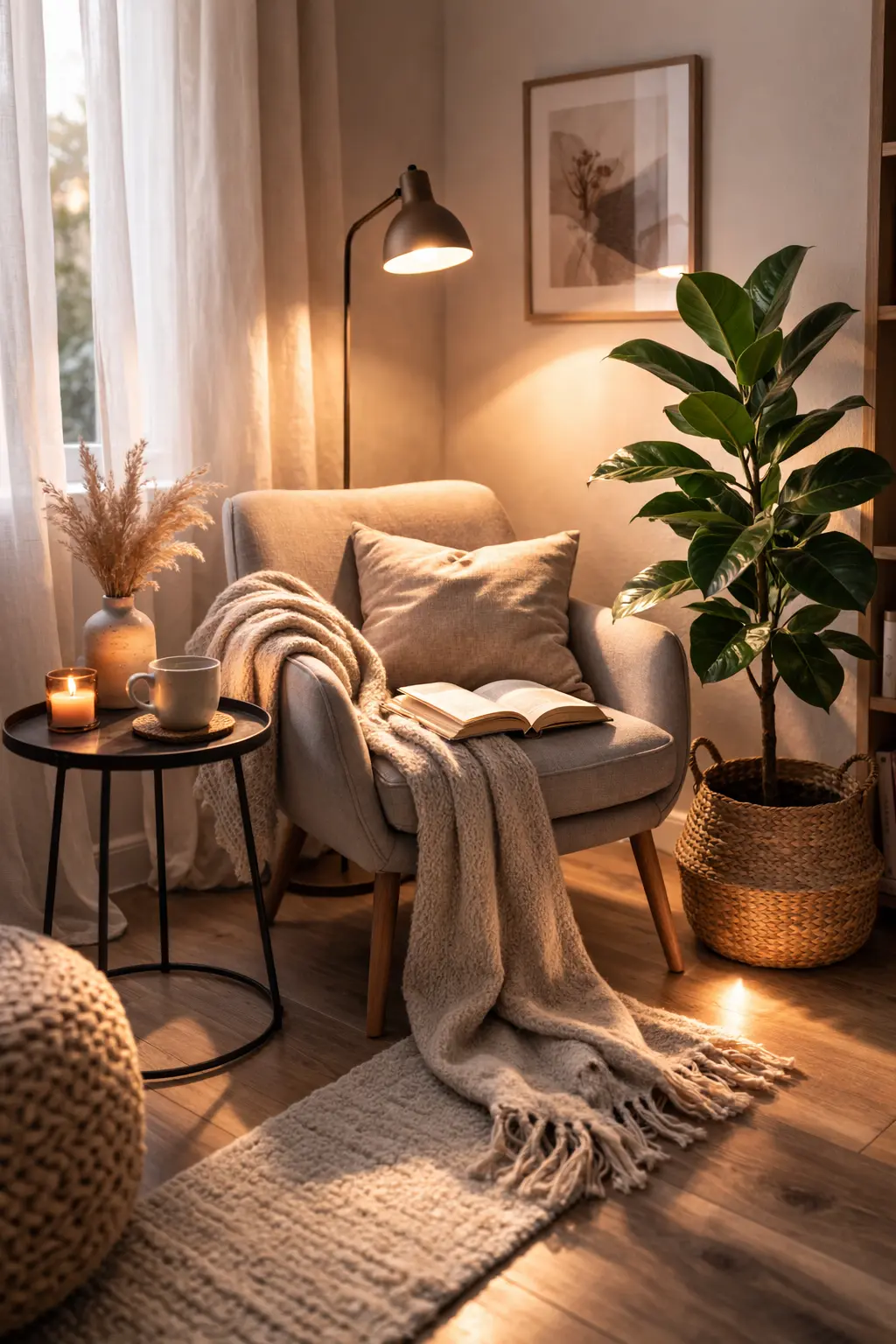
Honestly, I made plenty of mistakes with my first plant – and my second, and my third. I overthought watering schedules, overreacted to every tiny leaf discoloration, and constantly worried that I was somehow doing something fundamentally wrong. The anxiety was counterproductive. Then I realized something crucial: plant care isn’t about perfection or following rules – it’s about attention. It’s about observing, learning, and responding to what your specific plant needs in your specific space.
Now I always recommend starting with a single, easy-care plant. Something forgiving like a Pothos, Sansevieria, or Philodendron – plants that genuinely thrive on neglect and adapt to various light conditions. Observe how it responds to light, water, humidity, and its environment. Get to know the rhythm of your own home. Notice where light is strongest. Pay attention to how often your space naturally needs watering. Learn your space before expanding your plant collection.
As your confidence grows, your green collection will naturally expand – not because you’re rushing to accumulate plants, but because you’re ready for them. There’s no need to hurry. The world of plants teaches patience while gradually reshaping your relationship to space and growth. A living, vibrant home isn’t created overnight through one shopping spree. It’s built slowly, thoughtfully, layer by layer – exactly like trust is built.
If you’re interested in how plants fit into a larger design approach to making spaces feel inviting, explore How to Create a Cozy Living Room with Simple Design Tricks, which discusses how multiple elements – including plants – work together to create genuine comfort and atmosphere.
Practical Tips and Useful Advice
Start by mapping your space’s light conditions. Observe which areas receive bright, direct light; which get indirect, filtered light; and which are genuinely low-light zones. This single assessment determines everything about plant selection and placement. Next, choose your first plant based on the light you actually have, not the plant you wish you could have. Success builds confidence, so starting with a forgiving plant in appropriate light is crucial.
When shopping for plants, consider the mature size, not the nursery size. A small Monstera will eventually need floor space. A tiny Pothos will eventually cascade. Visualize how the plant will look in six months or a year, not just today. Choose containers that coordinate with your existing palette – earth tones, neutrals, or colors that echo your other textiles and furniture. A thoughtful planter elevates the entire effect.
Create a simple watering routine by checking soil moisture with your finger rather than following a schedule. Most plants prefer to dry out slightly between waterings. Pay attention to seasonal changes – plants need less water in winter. Observe your plants closely: yellowing leaves, brown tips, and wilting all communicate different problems. This observation-based approach is more effective than rigid rules.
Finally, photograph your space before and after adding plants. The visual transformation is often dramatic and helps you understand the power of botanical elements. This often motivates you to continue refining and expanding your collection thoughtfully. Remember that plant styling is an ongoing process. Seasons change light angles. Plants grow. Your style evolves. Adjust and adapt as you go. Building a living, vibrant home is never finished – it’s always growing, just like plants.
But before you start filling every surface with plants, there are a few important mistakes worth avoiding.
Common Mistakes to Avoid When Decorating with Plants
1. Buying Plants Without Considering Light Conditions
The biggest mistake is selecting plants based purely on aesthetics without understanding your actual light situation. A beautiful but high-light-demanding Succulents in a dark corner will languish and die. Assess your real light conditions first, then choose plants that will thrive there. This prevents frustration and plant death.
2. Overcrowding Spaces with Too Many Plants Too Quickly
More plants doesn’t equal better design. A few well-placed plants with intention creates more impact than a jungle of random specimens. Start small, observe how each plant affects the space, and add gradually. This prevents visual chaos and allows you to truly appreciate each plant.
3. Ignoring Planter and Container Choice
Leaving plants in plastic nursery pots or choosing containers that clash with your aesthetic undermines the entire effect. The planter frames the plant. Invest in containers that harmonize with your style. This small choice dramatically elevates the overall impression.
4. Not Considering Plant Height and Scale
A tiny plant in a large corner disappears. An oversized plant in a small space feels overwhelming. Match plant scale to the space and the purpose you want it to serve. This ensures plants actually have the visual impact you’re after.
5. Neglecting Light Interaction and Seasonal Changes
Don’t just place plants and leave them. Notice how light changes seasonally. Adjust placements if needed. Observe how shadows and light interact with foliage. This attention transforms plants from static décor into dynamic, living elements that change throughout the day and year.
Frequently Asked Questions
What are the best low-maintenance plants for beginners?
Start with Pothos, Sansevieria (snake plant), Philodendron, ZZ plants, or Dracaena. These tolerate a range of light conditions, forgive irregular watering, and communicate their needs clearly. They’re nearly impossible to kill while you build confidence.
How do I choose the right size plant for a space
Consider the visual weight of the area and the ceiling height. Large corners need tall plants (6+ feet). Medium spaces need medium plants (2-4 feet). Small areas need smaller specimens or trailing plants. A plant should feel proportional to the space, not cramped or lost.
Can I have plants in low-light rooms?
Absolutely. Choose low-light tolerant varieties like Pothos, Philodendron, Calathea, Ferns, or ZZ plants. These thrive in indirect, filtered, or low light. You may not be able to have flowering plants, but you can definitely have beautiful foliage that transforms the space.
How often should I water plants?
This depends entirely on your specific plant, pot size, soil type, and home conditions. Rather than following a schedule, check soil moisture with your finger. Water when the top inch feels dry. This observation-based approach prevents both overwatering and underwatering – the most common plant killers.
Final Thoughts
Plants do something that furniture and décor simply cannot: they introduce actual life into your space. Not symbolically, but genuinely – they produce oxygen, they move with light, they grow and change, they respond to seasons. This living quality transforms how a room feels on a fundamental level. A perfectly decorated but plant-free room still feels static. The same room with thoughtfully placed plants feels dynamic, alive, and genuinely restorative.
The approach detailed here – intentional placement, thoughtful selection, scale and proportion, light consideration, container choices, and patient building – transforms how you relate to both plants and space. You’re not just “decorating with plants.” You’re using plants as sophisticated design tools that reshape atmosphere, movement, and experience.
Start with one plant in one intentional location. Pay attention to how it affects the room. Notice how light interacts with it. Observe how your mood shifts. Build from there. Your home is waiting to feel genuinely alive – not just decorated, but living. That transformation begins with a single plant, placed with intention, in a space that needed it.
This post contains affiliate links. I may earn a small commission at no extra cost to you.
Get cozy inspiration delivered to your inbox.
✓ 14-page beautifully designed ebook
✓ Cozy decorating ideas
✓ Practical room-by-room inspiration
You’re in! 🎉
Thanks for joining the NestFlowHome community!
Your free ebook is already on its way to your inbox. If you don’t see it within a few minutes, please check your Promotions or Spam folder.
Join the NestFlowHome community for weekly decorating inspiration.

Timeless home decor ideas and slow living inspiration for a calm, beautiful life.